

Two Sizing Systems, One Body: Why Methodology Matters
A customer walks into a specialty boutique and gets fitted as a Classical American 40DD. Perfect fit. She's confident. Six months later, she walks into a UK brand store and tells them she's a 40DD.
They fit her as a 36G or 38F.
Now she's confused. Two completely different answers. One of them has to be wrong about her body. She questions the first fitter. She questions herself. She wonders if she was measured wrong all along.
But nothing went wrong. The math just worked differently.
Over 30 years in this industry, I've watched this confusion destroy customer loyalty and spike returns. It doesn't have to. Learn why methodology matters, how the two sizing systems actually work, and why understanding both is your competitive edge as a specialty retailer.
The Notches on Your Bra Are Not a Mistake—They're Quality Control
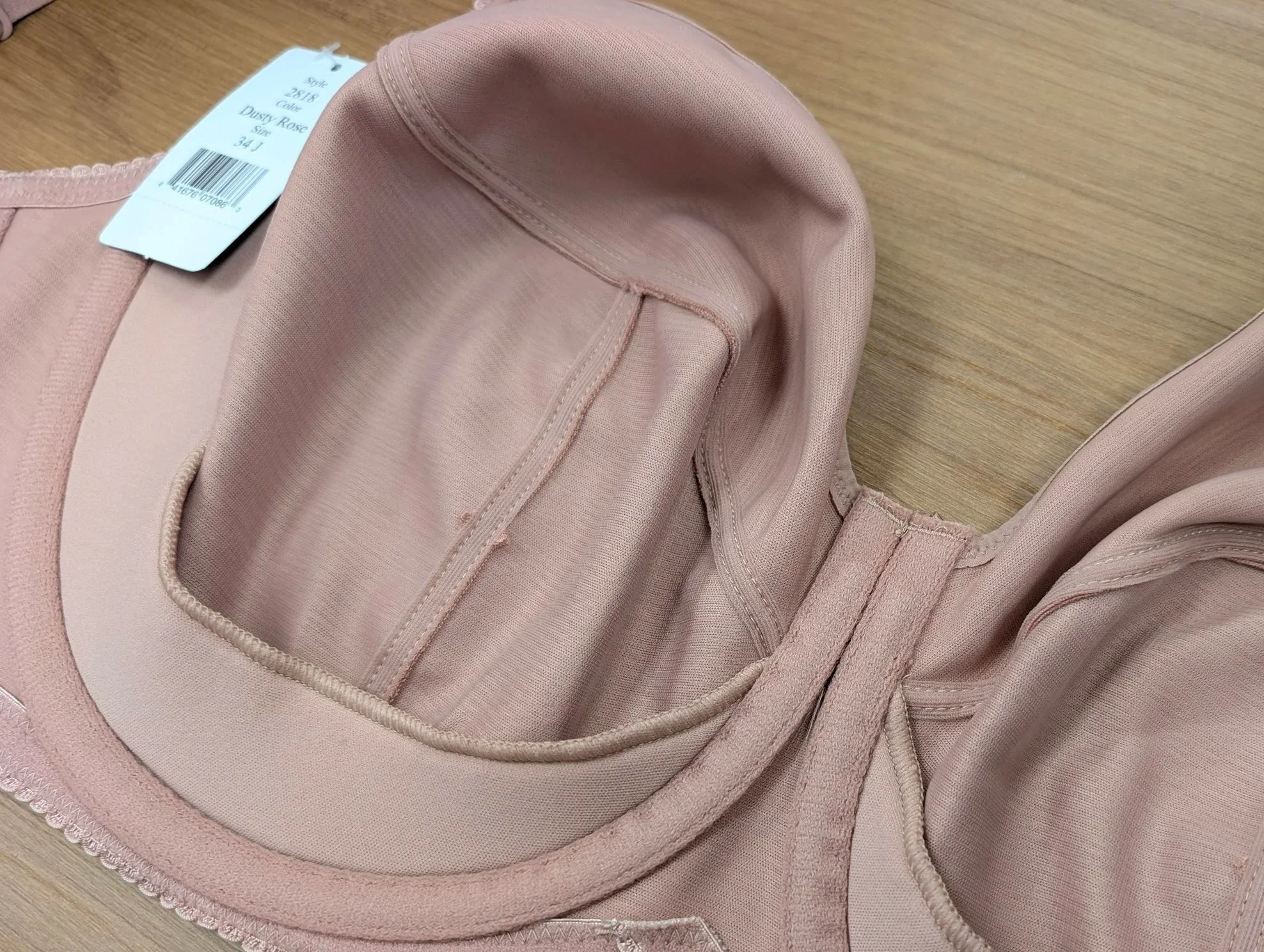
You've noticed them: those small cut marks on the seams of your Elila bra. Some customers ask about them. A few retailers have even flagged them as a defect.
They're not. They're the traffic lights and quality control managers of bra production.
At Elila, we use visible triangular notches so the sewing team can see them and work with precision, not guesses. We could trim them away and make the inside look neater. We could use tiny slits to save money. But that would hide how we work.
We keep them visible because quality can't hide.
Don't Throw Away the Tape Measure
The industry is talking about ditching the tape measure in favor of fitting by eye. But the argument quietly assumes a fitter with twenty years of experience. What about the woman who started six months ago, facing a customer whose body is genuinely complicated? A defense of measurement-first methodology, and the next generation of fitters it's meant to protect.
What the body tells you
The best fitting session you'll ever have starts before you touch a single bra. It starts with knowing what to look for.

Language Is a Fitting Tool — And It Starts With a Question
Fitting starts with seeing and asking questions.

The Adjustment Period: She's Never Worn a Bra Like This Before
A woman who has never worn a supportive bra needs some good advice.


The Most Repeated Bra Fitting Advice Is Only Right Half the Time
The most repeated advice in bra fitting sounds logical—until you understand why professional fitters ignore it. Here's what three generations of experience taught us about the loosest hook rule.

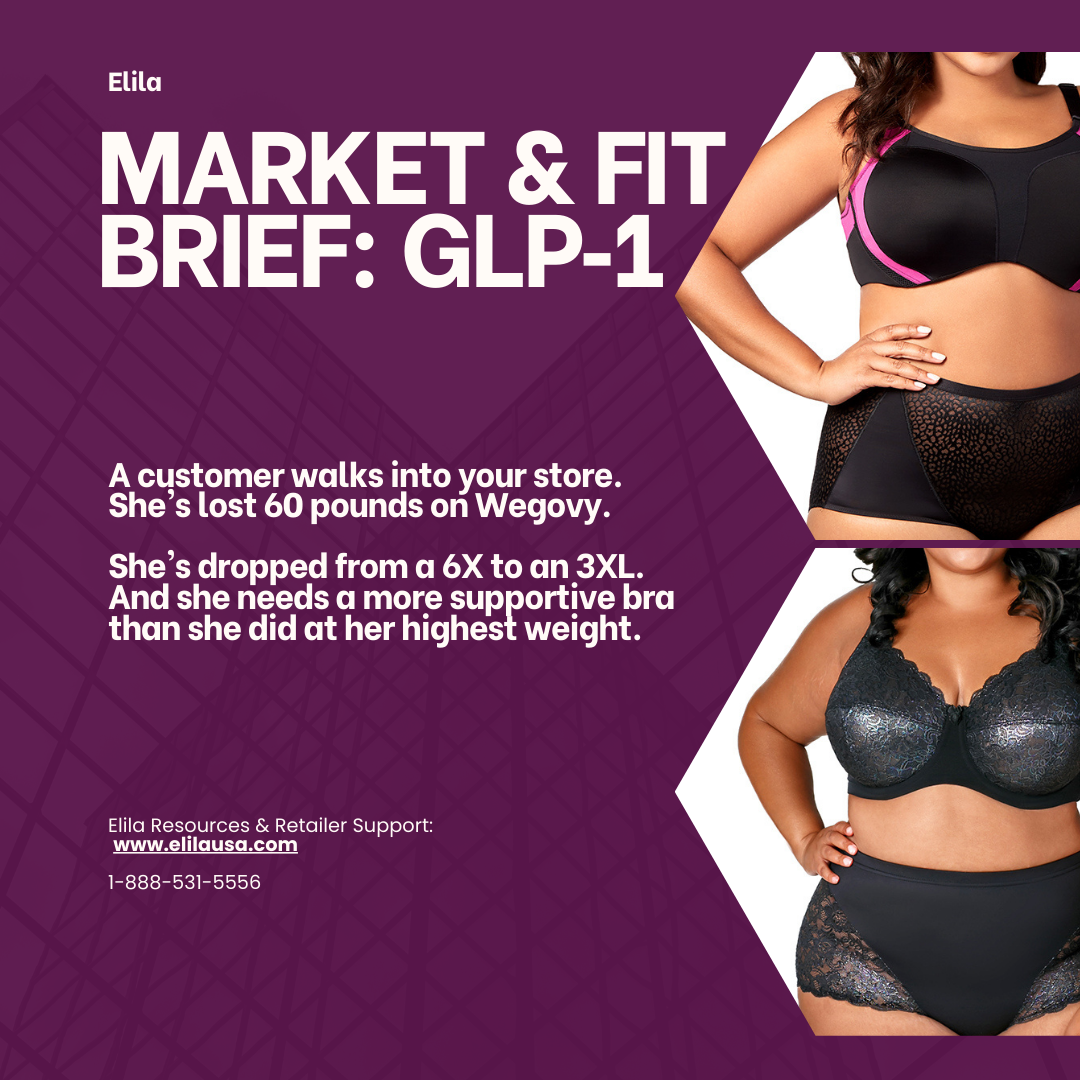
When Weight Drops But Support Needs Rise: The GLP‑1 Paradox Reshaping Plus‑Size Intimates
The U.S. lingerie market is projected to grow from roughly USD 17–23 billion in 2024 to around USD 31–35 billion by 2033, roughly a 6–8% annual growth rate. Within that, plus‑size intimates have been called a “rare growth market” inside U.S. apparel.

The Curvy Pod Podcast
The Curvy Pod's mission is to inspire and be inspired by people who live above the curve by stepping into their power, facing their fears and creating a life they are proud of.

ELILA'S POINT OF VIEW
The plus-size customer is your competitive edge. Discover how the right engineering, education, and partnership can transform your business
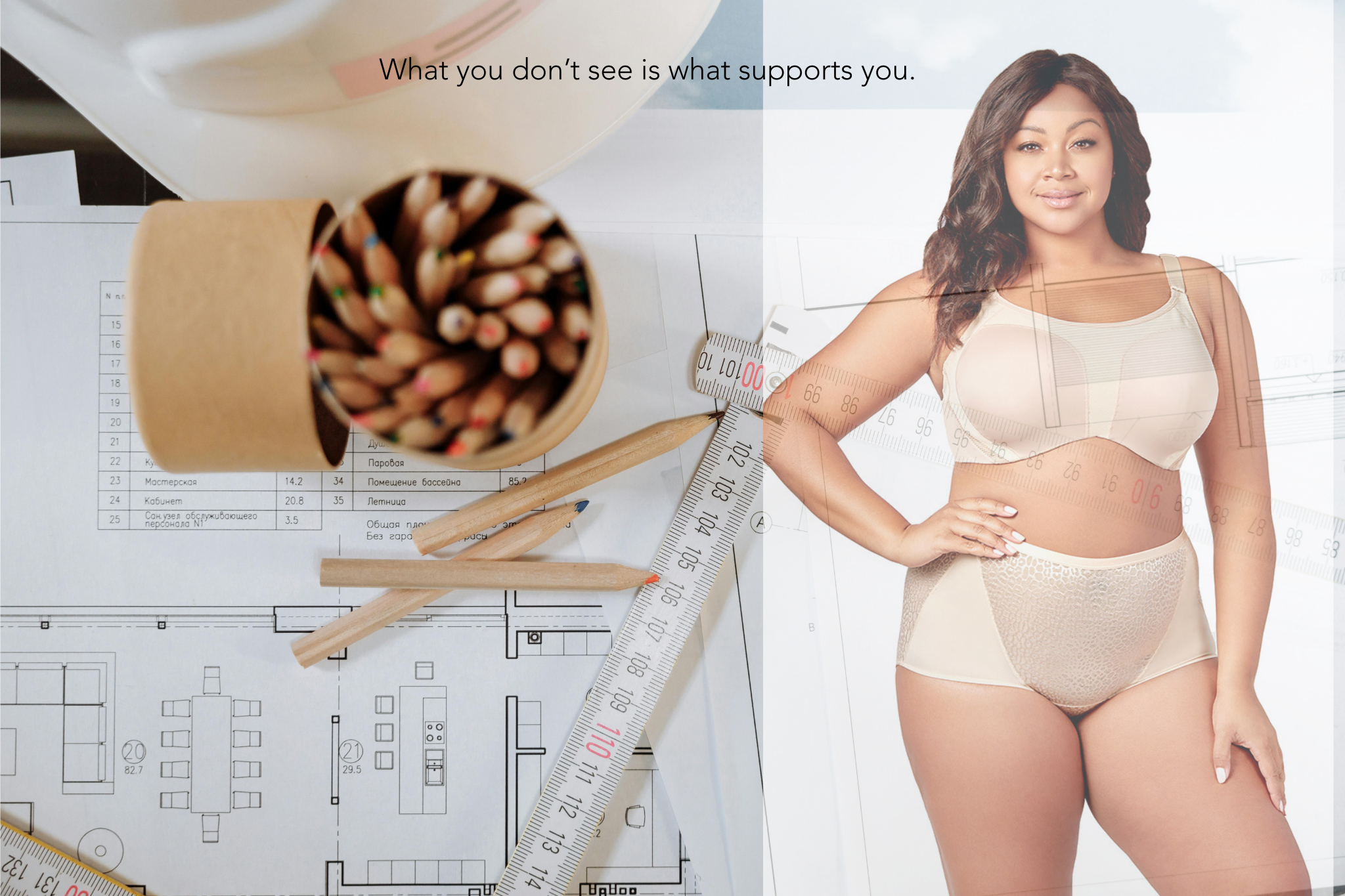
Why Are Bras So Expensive? Because They’re More Like Building a House Than Buying Paint.
We’re often asked, “Why are bras so expensive?” and we know you hear it in your stores, too. We’ve created a short, retailer-friendly explanation you can use to shift that conversation from price to value.

Find the Right Bra Faster: Our New Body-Based Product Finder
Your customers don't ask for "full support", they say "my straps slip" or "nothing holds up my heavy bust." Our new product finder matches those real needs directly to the engineering that solves them.


Problem Busting: “I Have One Bust Bigger Than the Other”
Asymmetry is the norm, not the exception. Most women have one breast slightly larger than the other, and the right bra makes all the difference.

Less Letters, More Balance: How Elila Bras Really Fit
Elila’s unique grading means you can cover more women with fewer sizes. Instead of carrying endless cup letters, you stock a tighter range that still delivers the perfect fit. Less inventory, same customers, smarter business.


Who pays U.S. tariffs? Short answer: we all do.
Tariffs 101: why costs rise before goods hit the shelf